ADVERTISEMENT
Ingredients
4 cups (500 g) all-purpose flour, plus extra for dusting
2 1/4 teaspoons (1 packet / 7 g) active dry yeast
1 cup (240 ml) warm milk (≈110°F / 43°C)
1/4 cup (56 g) unsalted butter, melted and cooled
2 tablespoons (25 g) granulated sugar
1 teaspoon fine salt
1 large egg (for the dough)
1 egg yolk + 1 tablespoon milk (for egg wash)
Instructions
Activate the yeast: Warm the milk to about 110°F (43°C). In a large mixing bowl, combine the warm milk, 2 tablespoons sugar and 2 1/4 teaspoons active dry yeast. Stir gently and let sit 5–10 minutes until foamy. If it does not foam, the yeast may be inactive — discard and start with fresh yeast.
Build the dough: Add the melted, cooled butter and 1 large egg to the yeast mixture and stir to combine. Add about half the flour and the salt and mix until a shaggy dough forms. Gradually add remaining flour and bring the dough together.
Knead: Turn the dough onto a lightly floured surface and knead about 8–10 minutes until smooth and elastic, or knead 6–8 minutes in a stand mixer with a dough hook. The dough should be slightly tacky but not sticky; add flour by tablespoon only if necessary.
First rise: Lightly oil a large bowl, place the dough inside, cover with plastic wrap or a damp towel, and let rise in a warm, draft-free place until doubled in size (≈1 hour).
Shape rolls: Punch down the dough, divide into 12 equal pieces (about 60–70 g each for medium rolls). Shape each piece into a smooth ball by tucking edges under and rolling on the counter. Place rolls on a parchment-lined baking sheet or into a greased 9×13″ pan for pull-apart rolls, spacing them evenly.
Second rise: Cover and let rise again until puffy, about 25–35 minutes.
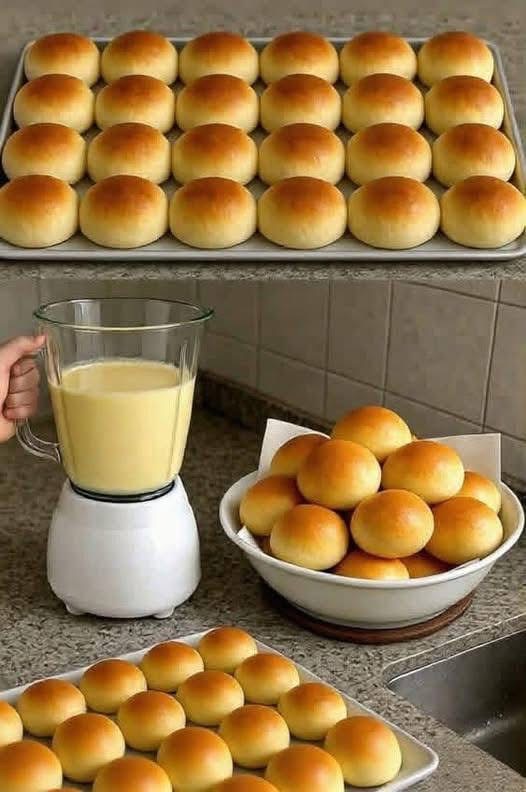
Egg wash and bake: Preheat oven to 375°F (190°C). Brush rolls gently with an egg-yolk-and-milk wash for a glossy finish. Bake 15–20 minutes until golden brown and internal temperature reaches about 190–200°F (88–93°C).
Cool: Remove rolls from oven and transfer to a wire rack. Brush with melted butter if desired and serve warm or at room temperature.
Troubleshooting & Consistency Tips
Yeast did not foam: Milk was too hot or yeast is old. Start again with fresh yeast and ensure milk is 100–115°F (38–46°C).
Dough too sticky to handle: Resist adding large amounts of flour. Lightly oil hands and work surface; the dough should be slightly tacky for soft rolls.
Rolls dense: Under-kneading or insufficient rise. Knead until dough is elastic and perform the finger dent test after the first rise — a slight indentation should remain.
Top browns too quickly: Tent loosely with foil and continue baking to finish internal doneness without overbrowning.
Crumb too dry: Overbaking or too much flour. Use an instant-read thermometer to check for 190–200°F (88–93°C) internal temperature and avoid adding extra flour during shaping.
Variations & Serving Ideas
Herb & cheese rolls: Fold 1/2 cup grated Parmesan or cheddar and 2 tablespoons chopped rosemary or thyme into the dough during kneading.
Cinnamon-raisin breakfast rolls: After first rise, roll dough into a rectangle, brush with melted butter, sprinkle cinnamon-sugar and raisins, roll up, slice and bake as cinnamon rolls or arranged in a loaf pan.
Brioche-style richer rolls: Increase butter to 1/2 cup (113 g) and add an extra egg yolk for an enriched, tender crumb (longer knead and slightly longer bake may be required).
Stuffed rolls: Flatten portions, place 1 teaspoon filling (garlic-herb butter, cube of mozzarella, or cooked sausage), pinch closed and shape into a ball before second rise.
Whole wheat option: Replace up to half the flour with whole wheat and increase liquid by 1–2 tablespoons to compensate for absorption.
Seeded topping: Brush with water or egg wash and sprinkle sesame, poppy or everything seasoning before baking.
Storage & Make-Ahead
Cool rolls completely before storing. At room temperature, keep in a paper bag or loosely covered container for up to 2 days. For softer crusts, use a plastic bag — this will soften the exterior.
Do not refrigerate (refrigeration speeds staling). To freeze: wrap individual rolls in plastic wrap and place in a heavy-duty freezer bag for up to 3 months. Thaw at room temperature and refresh in a 325°F (160°C) oven for 6–10 minutes.
To reheat a single roll quickly, microwave for 10–15 seconds, then optionally crisp in a toaster oven for 1–2 minutes.
Why This Recipe Works
The combination of fat (butter) and egg enriches the dough, creating a tender crumb and softer crust compared with lean breads. Proper yeast activation and adequate kneading develop gluten to hold gas produced during fermentation, giving a light, airy structure. Controlled rises (not overproofing) preserve structure while building flavor, and the egg wash creates an attractive golden finish.
Expert Tips
Measure flour by weight for consistent results: 4 cups AP flour ≈ 500 g (depending on brand and how it is scooped).
Create a proofing environment by placing the dough in the oven with the light on or over a bowl of hot (not boiling) water to maintain gentle warmth.
For evenly sized rolls, weigh each portion during shaping rather than eyeballing.
Use an instant-read thermometer to avoid overbaking; look for 190–200°F (88–93°C) internal temperature for enriched rolls.
Nutrition (Estimate)
Estimate per roll (1 of 12): ~180 kcal; 6 g fat; 26 g carbohydrates; 5 g protein. Values will vary by ingredients and portion size.
Closing & Credits
This Homemade Soft Bread Rolls recipe is provided by tinsuf. Baking these rolls is a rewarding, accessible way to bring fresh bread to your table — customize them with fillings, toppings, or by changing the flour for whole-grain versions. If you want, I can convert this into a printable recipe card, swap tinsuf for another author name, or add step-by-step photos and alt text.